


Exploring Dry Needling: What It Is and How It Helps
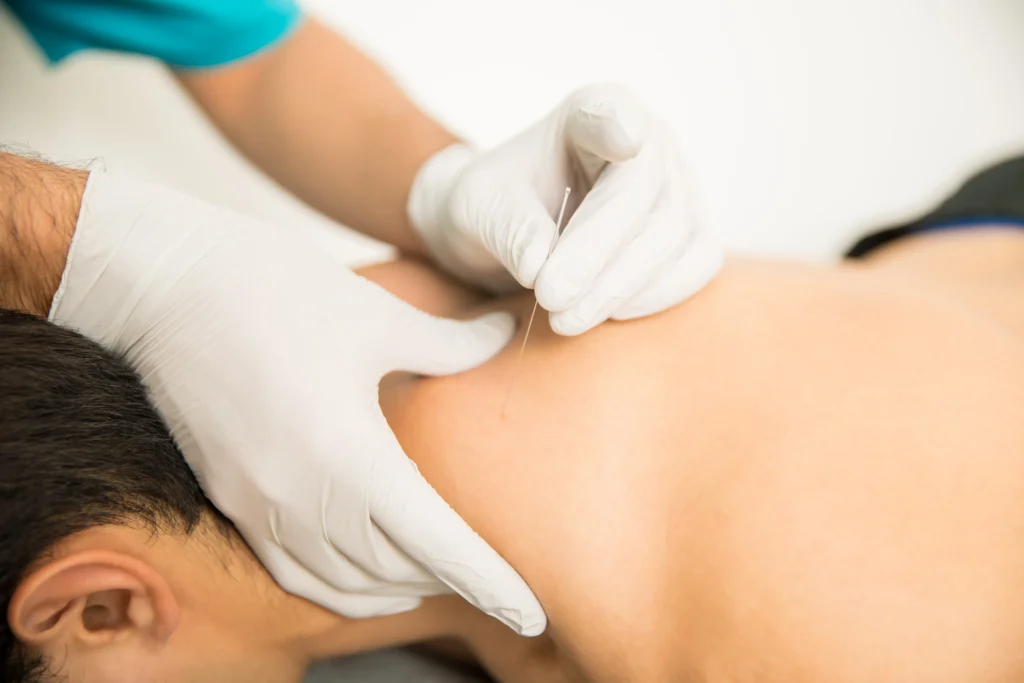
Sarah (not her real name) was really struggling with fibromyalgia, a chronic condition that causes widespread pain. Completing even simple daily tasks was incredibly difficult for her, and she felt like nothing was working. But then a friend suggested she try dry needling. Sarah was hesitant at first; she’d never heard of the treatment before, and the name sounded intimidating. But then her friend explained it’s a similar technique to acupuncture, just rooted in principles of Western rather than Chinese medicine.
Encouraged, Sarah decided to give it a shot, especially when she learned that Infinity Physical Therapy offers in-home dry-needling sessions–a great choice for her busy schedule. To her surprise, she noticed a marked decrease in her pain the next day, and the results only improved as she worked through her sessions.
Dry needling was a lifesaver for Sarah, but it can help with more than fibromyalgia. In fact, it’s an effective, drug-free pain management tool for a wide variety of musculoskeletal conditions. Today, we want to explore all things dry needling: what it is, how it works, and why you might benefit. And if you’d like to try dry needling, schedule an appointment with us today!
How Does Dry Needling Work?
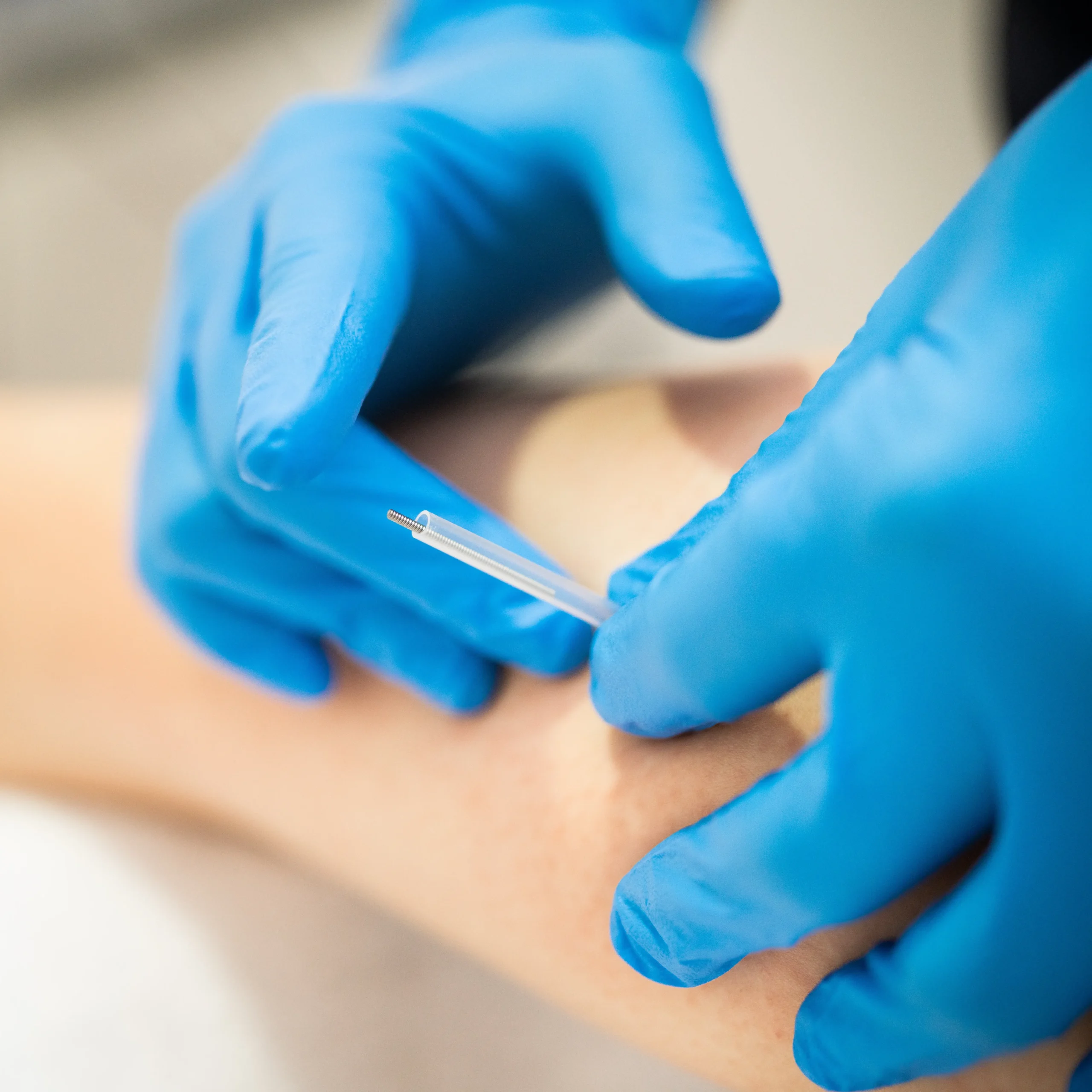
As Sarah’s friend explained, dry needling is very similar to acupuncture. Both involve inserting long, thin needles into key positions in the body. The difference is in how those locations are determined. Acupuncture pulls from Eastern philosophy, but dry needling focuses on loosening trigger points.
All the muscles in your body are wrapped by a tough, flexible tissue called myofascia. Healthy myofascia moves with you. But if something causes your myofascia to tighten or knot up, it can lead to pain–and not just pain at the sight of the restriction, either. Because your myofascia is essentially a giant web, a restriction in one location can cause discomfort elsewhere.
Trigger points are small knots that form in the myofascia. They can be tender to the touch, or they can cause referred pain. Dry needling uses needles to work out the trigger points, promote blood flow to the injured area, and relieve restriction in your myofascia.
What Conditions Can Benefit from Dry Needling?
Joint Pain: Dry needling sessions can reduce pain in your neck, back, knees, or other joints, allowing you to move more efficiently, complete prescribed exercises, and get active.
Osteoarthritis: Dry needling can also help reduce osteoarthritis pain and immobility because the needle insertion improves blood circulation in the joints, which allows the muscles to relax.
Soft Tissue Injuries: We often use dry needling to manage various soft tissue injuries–that is, injuries that affect your muscles, tendons, or ligaments. These injuries can develop after a sudden trauma, but many of them are overuse injuries–injuries that develop due to repeated movements and awkward postures.
Chronic Pain: As Sarah learned, dry needling is an effective treatment for chronic pain conditions such as fibromyalgia or myofascial pain syndrome.
What Else Should I Know About Dry Needling?
What Can I Expect From My Sessions?
Dry needling is a straightforward procedure, and you don’t need to do anything to prepare beforehand. Most sessions last about 30 minutes, and we offer both in-home and in-clinic dry-needling services.
Regardless of where your session takes place, we strive to make the process as comfortable as possible. However, some people experience slight discomfort during insertion, especially if the injured area is tender or painful to the touch. The good news is that many people experience an immediate reduction in pain, although it may take a day or two before they experience the full effects.
We typically incorporate dry needling into a comprehensive treatment program that includes interventions such as therapeutic exercise or manual therapy, helping to ensure we address your pain at its source rather than merely masking the symptoms.
Is Dry Needling Covered by Insurance?
While some insurance programs do cover dry needling, we typically offer the program as a cash-based service, meaning you pay out of pocket for it. However, paying cash streamlines the process and ensures you receive as many sessions as you need.

Schedule An Appointment To Learn More!
The best way to learn about dry needling is to experience it yourself! If you think you might benefit, schedule an appointment with Infinity today to see if it’s the right choice for you.
Our Patients Get Great Results
“Contacted Infinity after surgery to repair a severed tibial nerve and partial muscle tear of the big toe. I called them as they were closest to my home. Sometimes you pay for convenience with lesser quality. That was definitely not the case in this instance. Everyone I dealt with was friendly, professional, supportive, and knowledgeable. Don’t get me wrong, they’ll push you but that’s what I needed. I came in with extremely limited use of my foot and a great fear of letting anyone touch it. It was a rough 4 or so months but I was discharged today with pretty much full use of my foot again. I can even jog and run now! I’d never have gotten to this point without the wonderful people that work here. They gave me the confidence and push that I never would have had on my own. How can you thank people that gave you back the ability to be active with your family and play with your kids again? Hopefully this post is a small way to say thank you. I would highly recommend Infinity to anyone needing therapy!” – K.H.

Frozen Strawberry Yogurt Bites
Ingredients:
- 1/2 cup chopped strawberries
- 1 cup plain Greek yogurt
- 2 tablespoons honey
Directions:
- Mix strawberries, yogurt and honey in bowl. Add to heart-shaped molds or ice cube tray.
- Freeze at least 2 hours, or until set.