


Stop It Before It Starts:
Simple Tips to Prevent Shoulder Pain
If you’ve ever suffered a shoulder injury, then you know how debilitating it can be. Not only are you experiencing persistent pain, but most shoulder injuries also restrict the range of motion in the joint, making day-to-day tasks — from grabbing a cup off the high shelf to brushing your hair — feel nearly impossible.
At Infinity Physical Therapy, our team of physical therapists will work with you to identify and resolve the underlying causes of your shoulder pain. We offer acute pain relief and can guide you through complete shoulder rehabilitation regardless of whether or not you require surgery, and often, you can resolve a shoulder injury with physical therapy alone!
But that process can take a while, and we want to help you avoid shoulder injuries, too. While we do incorporate injury prevention information into our rehab programs, it’s never a bad time to start incorporating small changes into your routine that can help prevent shoulder pain.
If you’d like to learn more about how we help prevent and alleviate shoulder pain, call us to schedule an appointment today!


Our Patients Get Great Results
“The therapy sessions are truly wonderful, offering a deeply supportive and informative experience. It is highly appreciated how thoroughly all aspects of the treatment are explained and how its a one on one treatment session. This clarity fosters a great sense of understanding and trust in the process. I felt well informed. This dedication to communication greatly enhances the therapeutic benefits. Highly recommend Infinity Physical Therapy.” – L.W.
What Causes Shoulder Pain and Injury, Anyway?
Your shoulder is an incredibly complex ball-and-socket joint with several moving parts, including:
- Three separate bones: the humerus (arm bone), scapula (shoulder blade), and clavicle (collarbone)
- Cartilage that wraps and protects these bones from rubbing against each other
- The three main ligaments that connect your shoulder’s bones
- A collection of muscles and tendons known as the rotator cuff that wrap and support the shoulder joint
- Bursae: small fluid-filled sacs that protect your tendons
Damaging any of these structures can lead to shoulder pain, weakness, and immobility. Some people injure their shoulders through sudden, acute injuries, especially if they’re active — a hard fall on the football field could tear their rotator cuff or dislocate the arm bone out of their shoulder socket.
However, many shoulder injuries are actually overuse injuries, meaning the pain and immobility symptoms occur due to repeated micro-injuries in your shoulder’s tissue. Often, sports-related shoulder injuries are actually due to overuse, as repeated overhead motions (such as throwing a ball or certain swimming strokes) put stress on the shoulder joint, leading to symptoms.
Using improper form can also contribute to overuse injuries, such as improper posture — a weak upper back strains your shoulder muscles, making them do more work than needed.
Preventing shoulder pain is really about preventing these overuse injuries. By making small changes, you can keep your shoulders strong, healthy, and pain-free!
5 Ways You Can Help Prevent Shoulder Pain
1. Strengthen your upper body:
Strong upper back and shoulder muscles are better able to provide the shoulder joint with the support and stability it needs, meaning you’ll be less likely to suffer an injury. Not sure how to get started? Our PTs can walk you through some appropriate exercises.
2. Keep your mobility:
We can show you simple range of motion exercises that will get the blood flowing to your joints, keeping them healthy. Reaching overhead, across your body, or behind your back are all basic stretches that can do wonders — just make sure you never force a movement!
3. Don’t forget to warm up first:
Many popular recreational activities put you at risk for a shoulder injury, including swimming, pickleball, and tennis. It’s crucial that you warm up your shoulder before you dive in. Try some quick cardio paired with active shoulder stretches (like arm circles).
4. Maintain proper posture:
Proper posture isn’t about standing up straight all the time; it’s about maintaining postural awareness and keeping your spine in alignment no matter what you’re doing. And if you have a sedentary job, move around regularly. Both habits will help keep your upper back and shoulders strong.
5. Pay attention to ergonomics:
If your workspace isn’t shoulder-friendly, you might wind up with an overuse injury. Simple changes — like adjusting the height of your computer monitor or maintaining good posture when using hand tools — will reduce repetitive stress and lower your chances of developing shoulder pain.

Need A Little Help? We’ve Got You
The Infinity Physical Therapy physical therapists can help you prevent shoulder injuries as easily as we can treat them! Whether you’re looking for a shoulder stretch and strengthen routine, postural corrections, or some simple ergonomic adjustments, we’re here for you. Call us today to get started!
Ergonomic Tips for Good Shoulder Health
Ergonomics is a field of study focused on optimizing the environments in which people work, ensuring a safe, happy, and productive workplace. Whether you work in an office or at a construction site, your job might contribute to your shoulder pain. Simple ergonomic adjustments can help minimize your risk of a shoulder injury. At Infinity Physical Therapy, our team evaluates not just your shoulder joint but the entire movement system, including your spine. Our certified McKenzie therapists take a targeted approach to identifying and resolving symptoms!
If You Have an Office Job…
- Adjust your desk and chair so elbows rest at a 90-degree angle.
- Keep your mouse and keyboard close together to avoid overreaching.
- Position your monitor so the top is at or just below eye level.
- Take regular breaks to stretch and reset posture.

If You Have a Manual Job…
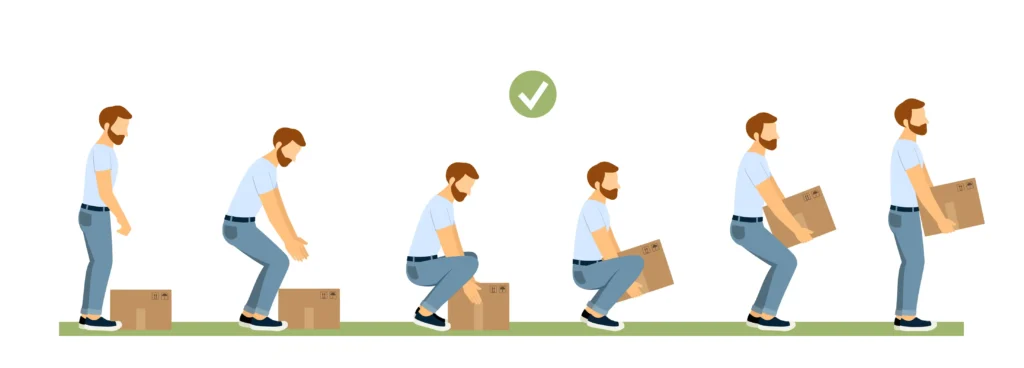
- Avoid bending your torso to pick up items (even if they aren’t heavy). Instead, use positioning devices (like a forklift) to bring the items right in front of you.
- Avoid repeatedly lifting items above your head whenever possible, and remember to keep what you’re lifting close to your body.
- Take regular breaks, to reduce fatigue from repetitive movements.
- Warm up before the workday to prepare your shoulders and spine.
Call Infinity Physical Therapy for Personalized Support
Want to reduce stress on your shoulders throughout the day? Our physical therapists offer personalized ergonomic evaluations and movement strategies to help you feel and function better. Call today to schedule your visit.

Recipe of the Month: Heart Pizza

Ingredients:
- Pre-made Pizza Crust
- Pizza Sauce
- Shredded Mozzarella Cheese
- Pepperoni
Instructions:
- Preheat oven to 425 degrees.
- Use a heart cookie cutter on a pre-made pizza crust (or if you prefer, shape fresh dough into hearts).
- Add sauce, cheese, and toppings.
- Cook until cheese is melted and crust is golden, about 10-15 minutes.
Stay up to date with all things Infinity by following us on social media!
Sources
- https://jessicaetcetera.com/heart-pizza-valentine-family-dinner-ideas/#recipe
- https://www.ncbi.nlm.nih.gov/books/NBK554693/,
- https://www.physio-pedia.com/Evidence_Based_Interventions_for_Shoulder_Pain,
- ttps://www.ncbi.nlm.nih.gov/pmc/articles/PMC10086287/
- https://www.osha.gov/etools/electrical-contractors/supplemental-information/solutions/tasks-arm,
- https://www.ncbi.nlm.nih.gov/pmc/articles/PMC8959976/